


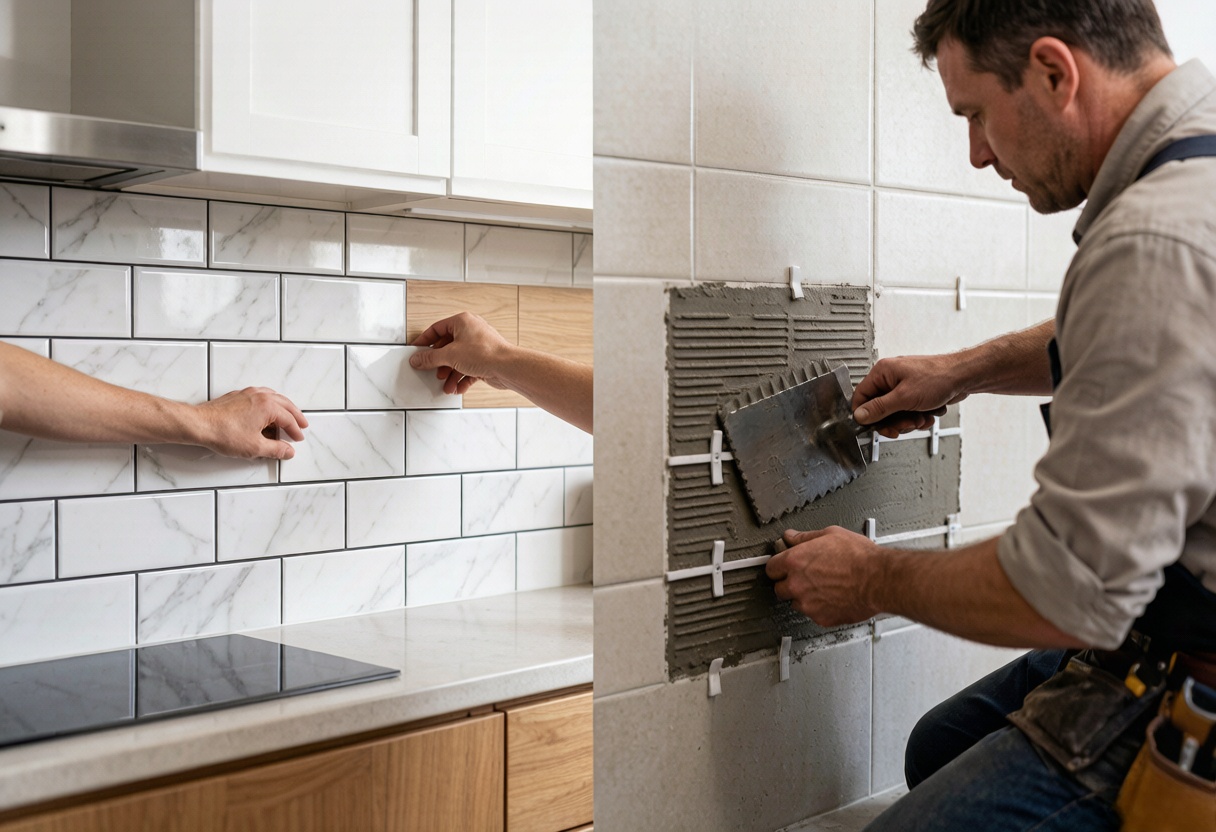
Planning a tile renovation and torn between peel and stick tiles and traditional tiles? You are not alone. Homeowners, contractors, and sourcing buyers worldwide face this decision every day. Each option has distinct advantages in cost, installation, durability, and maintenance — and the right choice depends heavily on your project scope, timeline, and budget.
In this comprehensive guide, we break down every key difference between self-adhesive peel and stick tiles and traditional ceramic, porcelain, or stone tiles so you can make an informed decision with confidence.
What Are Peel and Stick Tiles?
Peel and stick tiles — also known as self-adhesive tiles or peel and stick backsplash tiles — are decorative wall and floor coverings with a pre-applied adhesive backing. Made from materials such as PVC, vinyl, composite stone, or even real metal and gel, these tiles come ready to apply: simply peel off the protective film and press the tile onto a clean, flat surface.
Originally popular for rental apartments and quick DIY updates, peel and stick tiles have evolved significantly. Modern versions now feature realistic 3D textures, stone-look finishes, and durable gel coatings that mimic the appearance of natural materials at a fraction of the cost. WOTILE’s peel and stick product line, for example, offers PVC and resin-relief tiles designed for both residential and light commercial applications.
What Are Traditional Tiles?
Traditional tiles refer to ceramic, porcelain, natural stone, or glass tiles that require adhesive mortar (thinset), grout, and professional tools for installation. These tiles have been the standard in construction for centuries and are known for their exceptional durability, water resistance, and premium aesthetic.
Traditional tiles are the go-to choice for high-traffic floors, wet areas like shower enclosures, and permanent installations where longevity is the top priority. However, they demand skilled labor, specialized equipment (tile cutters, wet saws, trowels), and significantly more time to install.
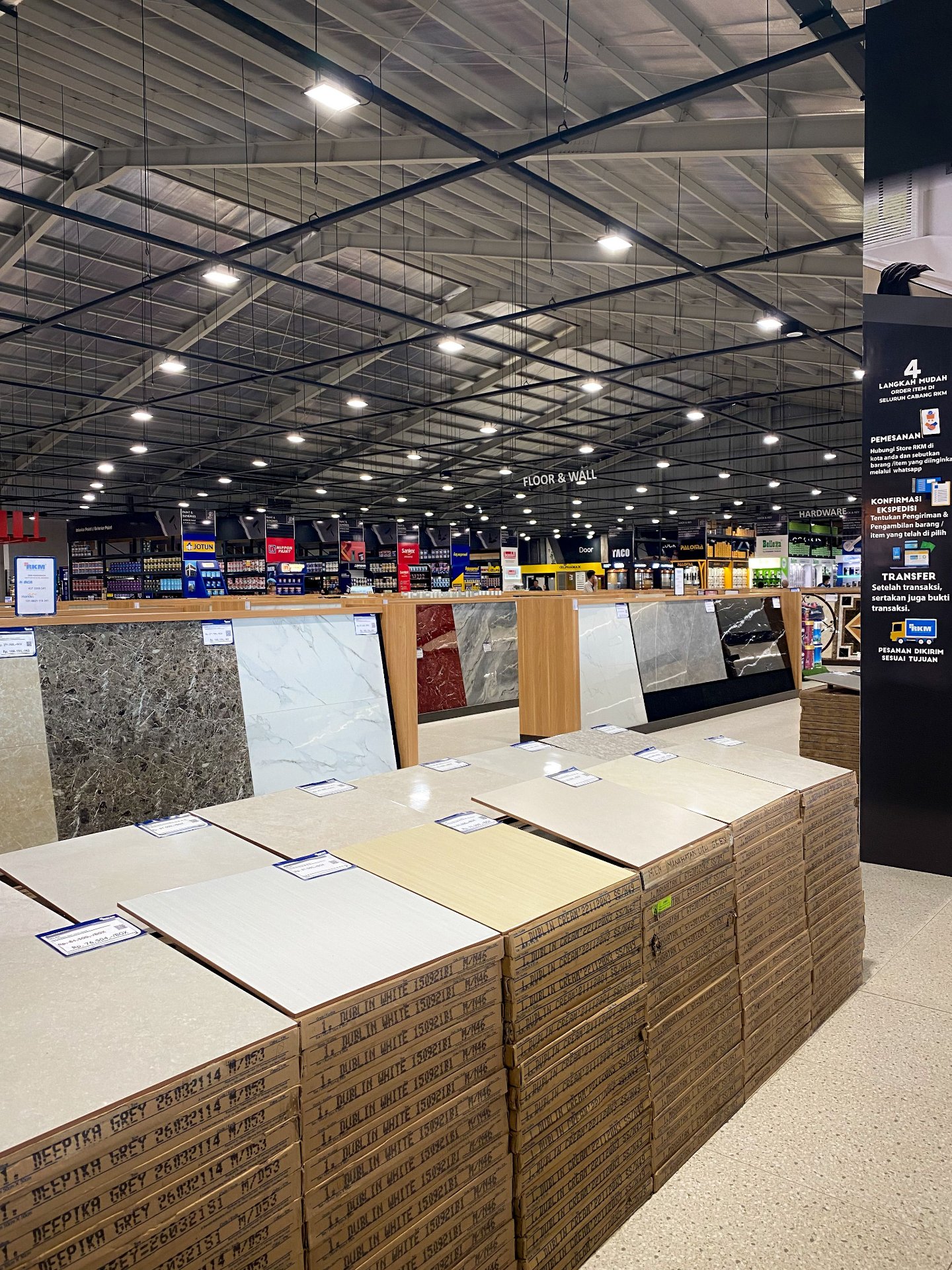
Peel and Stick Tile vs Traditional Tile: Head-to-Head Comparison
1. Installation Process and Difficulty
Peel and Stick Tiles: Installation is genuinely DIY-friendly. No mortar, no grout, no wet saw. The process involves measuring, cutting with scissors or a utility knife, peeling the backing, and pressing the tile onto the wall or floor. A typical backsplash project can be completed in 1–2 hours by a single person with no prior tiling experience.
Traditional Tiles: Installation is labor-intensive and typically requires a professional tile setter. The process includes surface preparation, mixing thinset mortar, applying mortar with a notched trowel, placing tiles with spacers, waiting for the mortar to cure (24–48 hours), applying grout, and sealing. A comparable backsplash may take 1–2 days.
2. Cost Comparison
Peel and Stick Tiles: Material costs typically range from $2–$8 per square foot. Since installation is DIY, there are zero labor costs — which is where the real savings accumulate. For a standard 30 sq ft kitchen backsplash, total project cost can be as low as $60–$240.
Traditional Tiles: Material costs range from $3–$15+ per square foot for ceramic or porcelain, and $10–$50+ for natural stone. However, labor is the major expense — professional installation adds $5–$15 per square foot. The same 30 sq ft backsplash could cost $240–$900+ including labor.
3. Durability and Lifespan
Peel and Stick Tiles: Quality peel and stick tiles last 5–15 years depending on the material and placement. PVC and vinyl versions are water-resistant but not fully waterproof. They can withstand normal kitchen and bathroom humidity but may degrade in consistently wet environments like shower floors. Gel-coated and resin-based options offer better durability.
Traditional Tiles: Ceramic and porcelain tiles can last 50+ years with proper installation and maintenance. Porcelain is particularly durable — dense, water-resistant, and suitable for both floors and high-moisture areas. Natural stone, when sealed properly, can last a lifetime. This is the clear winner for permanent installations.
4. Maintenance and Cleaning
Peel and Stick Tiles: Maintenance is minimal — wipe with a damp cloth and mild detergent. No grout lines means no grout cleaning or sealing. However, the adhesive backing can weaken if exposed to excessive heat (behind stoves without a heat shield) or direct water spray.
Traditional Tiles: Tiles themselves are easy to clean, but grout lines are the maintenance challenge. Grout absorbs stains, harbors mold in wet areas, and needs periodic re-sealing (every 1–2 years). Cracked or stained grout requires removal and re-grouting — a messy, time-consuming process.
5. Removal and Replacement
Peel and Stick Tiles: One of the biggest advantages — removal is straightforward. Heat the tile with a hair dryer to soften the adhesive, then peel off. Minor residue can be cleaned with adhesive remover. This makes peel and stick tiles ideal for renters, temporary displays, or homeowners who like to refresh their space regularly.
Traditional Tiles: Removal is a demolition project. Chiseling off cemented tiles damages the underlying drywall or substrate, requiring extensive surface repair before new material can be installed. This adds significant cost and dust to any future renovation.
6. Application Areas
Peel and Stick Tiles are best suited for:
- Kitchen backsplashes (behind sinks, not directly behind open flames)
- Bathroom accent walls and wainscoting
- Laundry room and mudroom walls
- Rental property updates (removable)
- Furniture and stair riser makeovers
- Accent feature walls in living rooms
- Temporary commercial displays and pop-up retail
Traditional Tiles are best suited for:
- Shower floors and enclosures (full water immersion)
- High-traffic floor areas (entryways, hallways, kitchens)
- Outdoor patios and walkways (frost-rated porcelain)
- Fireplace surrounds (heat-resistant)
- Permanent installations in owned properties
- Commercial floors with heavy foot traffic
- Swimming pool interiors and spa areas
Quick Comparison Table
| Feature | Peel and Stick Tiles | Traditional Tiles |
|---|---|---|
| Material | PVC, vinyl, gel, composite | Ceramic, porcelain, stone, glass |
| Installation | DIY, peel and press | Professional, mortar and grout |
| Install Time (30 sq ft) | 1–2 hours | 1–2 days |
| Cost per sq ft (material) | $2–$8 | $3–$15+ |
| Labor Cost | $0 (DIY) | $5–$15 per sq ft |
| Lifespan | 5–15 years | 50+ years |
| Water Resistance | Water-resistant (not waterproof) | Waterproof (porcelain & glass) |
| Grout Required | No | Yes |
| Removal | Easy, peel off | Demo required, damages substrate |
| Best For | Walls, DIY, temporary use | Floors, wet areas, permanent use |
| Heat Resistance | Moderate (avoid direct flame) | Excellent |
When to Choose Peel and Stick Tiles
Choose peel and stick tiles when you want a fast, affordable, DIY-friendly transformation without the mess and cost of traditional tiling. They are the smart choice for:
- Budget-conscious renovations where labor costs would dominate the budget
- Rental properties where permanent modifications are not allowed
- Quick weekend projects — update a kitchen backsplash in an afternoon
- Staging a home for sale — instant visual upgrade without investment
- DIY enthusiasts who want professional-looking results without specialized skills
- Accent walls and decorative features where structural durability is secondary
When to Choose Traditional Tiles
Choose traditional tiles when permanence, durability, and water resistance are non-negotiable. They remain the gold standard for:
- Shower floors and enclosures — full waterproofing is essential
- High-traffic floors — entryways, kitchens, commercial spaces
- Outdoor installations — frost-rated porcelain withstands freeze-thaw cycles
- Fireplace surrounds — direct heat exposure requires ceramic or stone
- Long-term property investment — tiles that last decades add resale value
- Building code compliance — some jurisdictions require traditional tiles in specific zones
Can You Use Both?
Absolutely. Many homeowners and designers use a hybrid approach: traditional tiles for high-traffic floors and wet areas, paired with peel and stick tiles for accent walls, backsplashes, and decorative zones. This strategy maximizes durability where it matters while saving time and money on areas that benefit from visual impact rather than structural performance.
For example, a bathroom renovation might use porcelain floor tiles for water resistance, traditional ceramic tiles in the shower enclosure, and peel and stick mosaic tiles on the vanity accent wall — achieving a cohesive, high-end look at a fraction of the total cost.
Frequently Asked Questions
Are peel and stick tiles waterproof?
Peel and stick tiles are water-resistant, meaning they can handle splashes and humidity, but they are not fully waterproof. They should not be used in areas with constant water immersion, such as shower floors or pool interiors. For kitchen backsplashes and bathroom walls outside the direct shower spray, they perform well.
How long do peel and stick tiles last?
Quality peel and stick tiles typically last 5 to 15 years depending on material quality, placement, and maintenance. PVC and gel-coated options tend to last longer than basic vinyl. Proper surface preparation — ensuring the wall is clean, dry, and smooth — significantly extends the lifespan.
Can peel and stick tiles be used on floors?
Yes, but with caveats. Peel and stick floor tiles are suitable for low-traffic areas such as laundry rooms, small bathrooms, or temporary flooring. They are not recommended for high-traffic zones like hallways or kitchens where constant foot traffic can cause premature wear. Always check the manufacturer’s floor-rating before installation.
Do peel and stick tiles damage walls when removed?
When removed correctly — using a hair dryer to soften the adhesive and pulling gently — peel and stick tiles should not damage painted drywall. Some adhesive residue may remain but can be cleaned with adhesive remover. However, if the wall paint was already peeling or the surface was poorly prepared, minor paint damage is possible.
Which is better for a kitchen backsplash?
For most homeowners, peel and stick tiles are the better choice for kitchen backsplashes. They are cost-effective, easy to install, and available in a wide range of designs that mimic subway tile, mosaic, and natural stone. The main caveat is to use a heat shield behind gas stoves where open flames are present.
Are peel and stick tiles cheaper than traditional tiles?
Yes — significantly. While material costs are comparable (peel and stick: $2–$8/sq ft, traditional: $3–$15/sq ft), the real savings come from eliminating labor costs. Professional tile installation adds $5–$15 per square foot, making traditional tiles 3–5x more expensive overall for the same project.
Conclusion
Both peel and stick tiles and traditional tiles have their place in modern interior design. The decision comes down to your project requirements, budget, and timeline:
- Choose peel and stick tiles for fast, affordable, DIY-friendly wall projects — kitchen backsplashes, accent walls, and rental-friendly updates.
- Choose traditional tiles for permanent, high-durability installations — shower floors, high-traffic areas, and outdoor spaces.
- Consider a hybrid approach to get the best of both worlds within your budget.
At WOTILE, we specialize in high-quality peel and stick tiles designed for global B2B supply. Our PVC and resin-relief tiles combine realistic textures with reliable adhesion — perfect for distributors, contractors, and retailers looking to offer their customers an accessible alternative to traditional tiling. Contact us to learn about our product catalog, MOQ, and OEM/ODM capabilities.
Related Resources
- Browse our peel and stick tile catalog
- Frequently asked questions about WOTILE products
- About WOTILE — manufacturing expertise